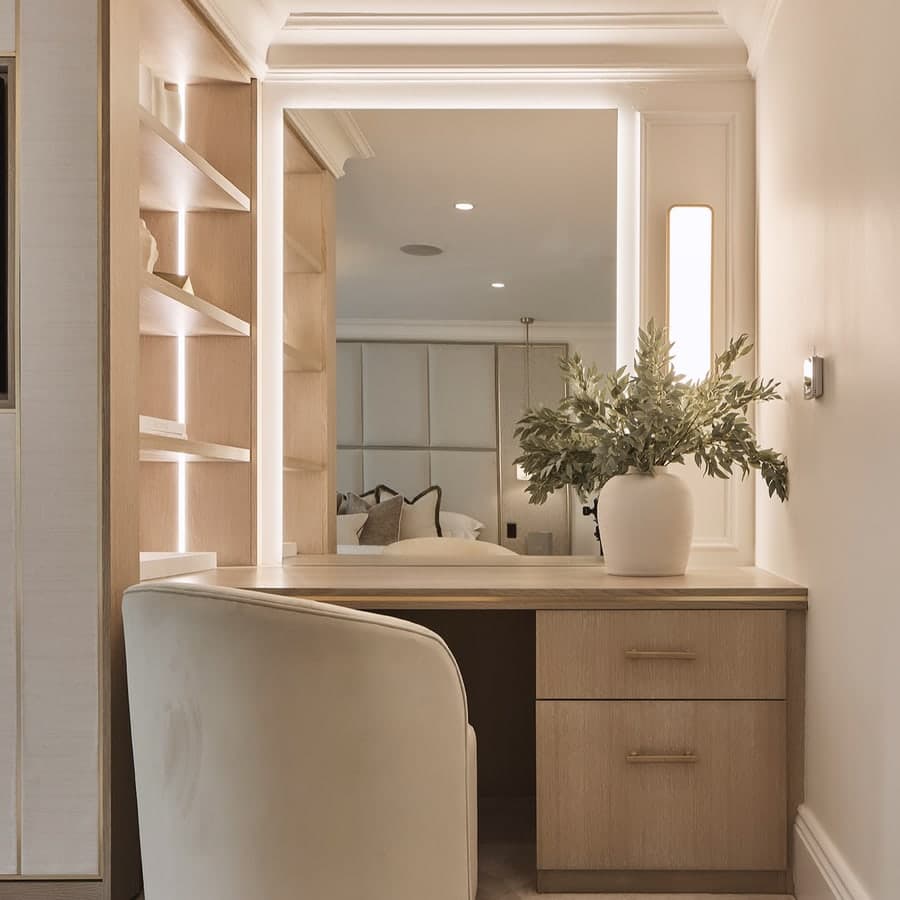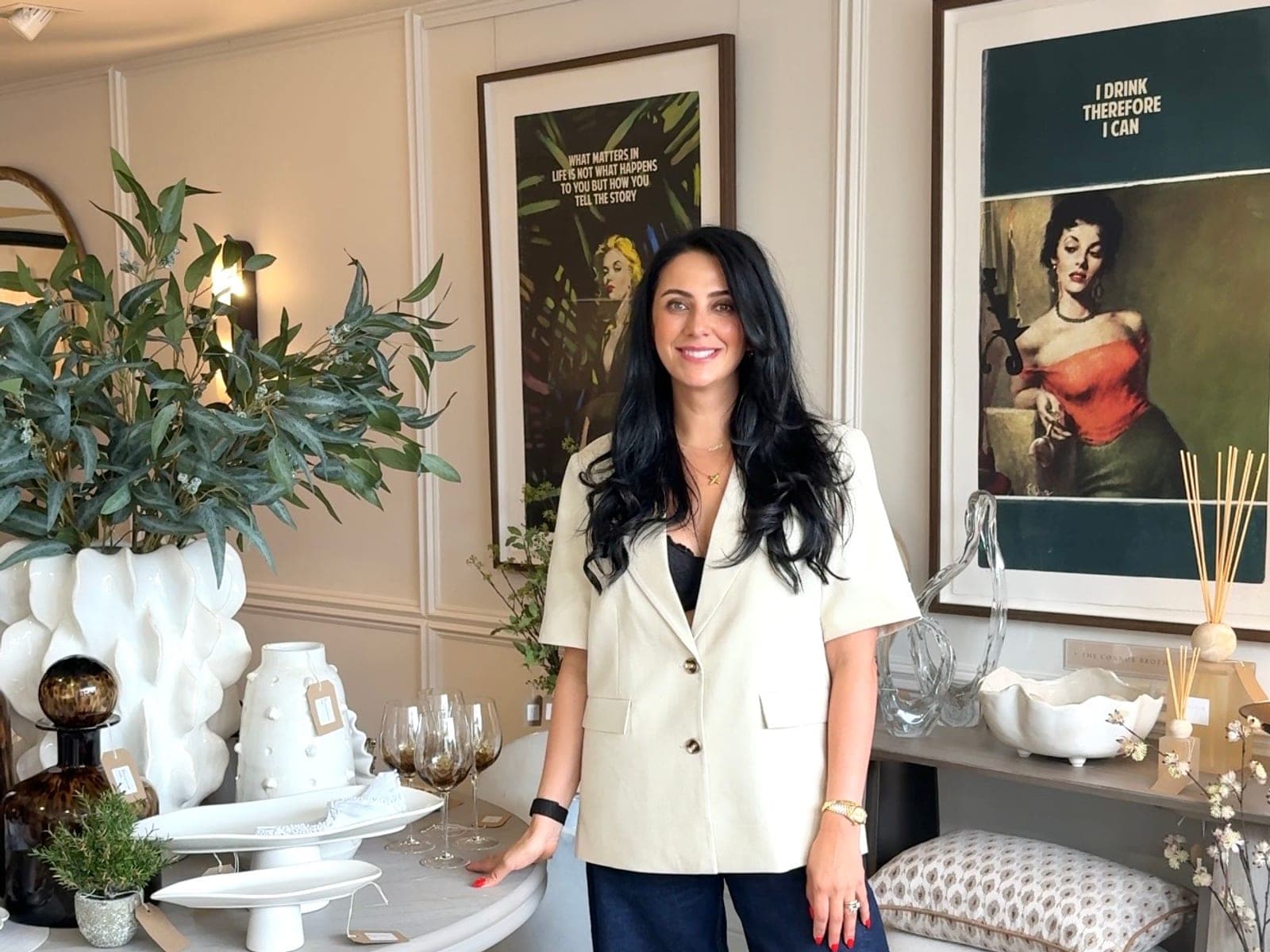
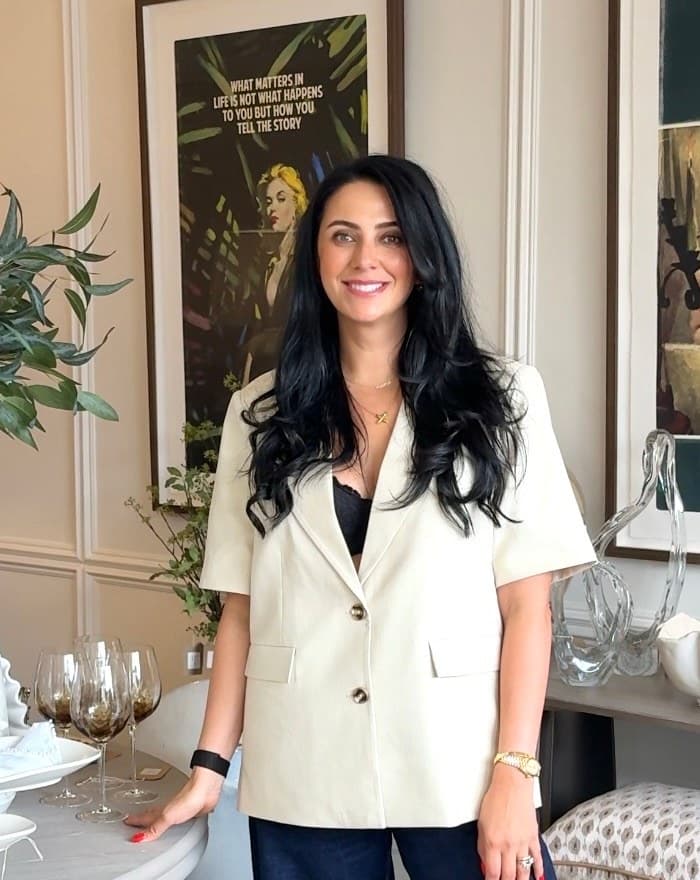
When people find out I studied fashion, and spent time working in it before I ever designed a room, there's usually a little pause. As if the two things live in different worlds. I've come to think the opposite. Almost everything I know about making a home feel right, I learned first from clothes.
I've told the longer story elsewhere: textiles at school, fashion at university, a spell in the industry including time at Grazia Magazine, then property, then, finally, interiors. What I want to do here is something a bit more practical. These are the things fashion taught me that I still lean on, every single week, in homes across Cheshire.
Fabric first, always
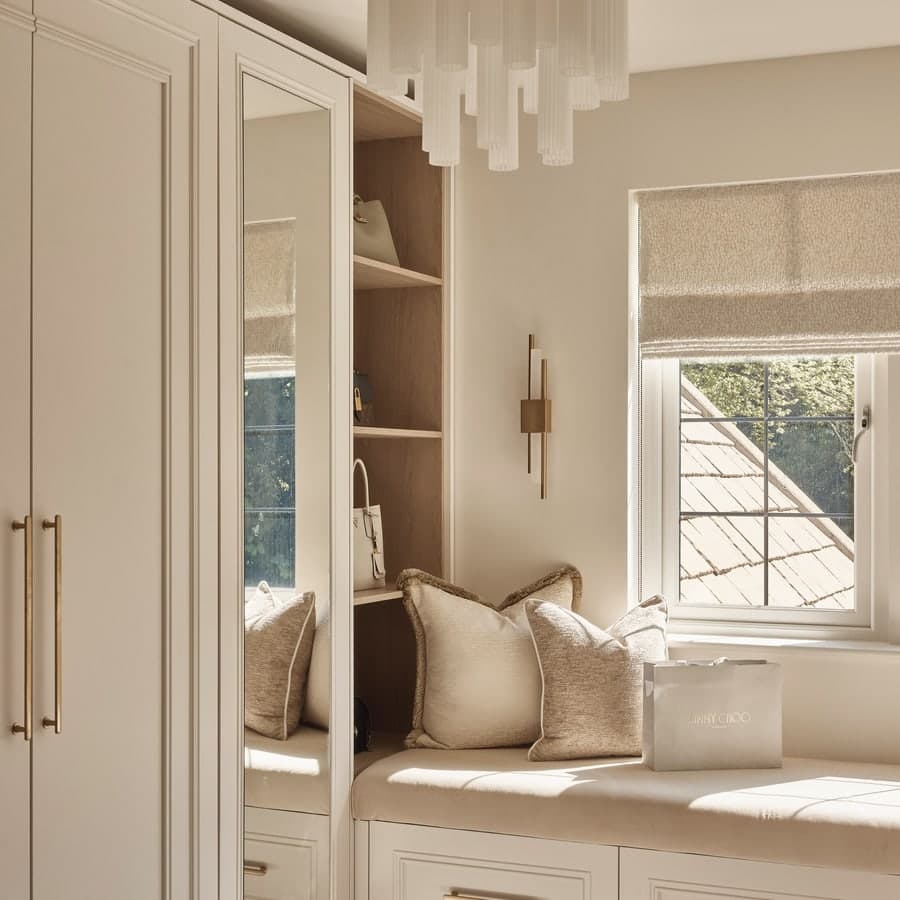
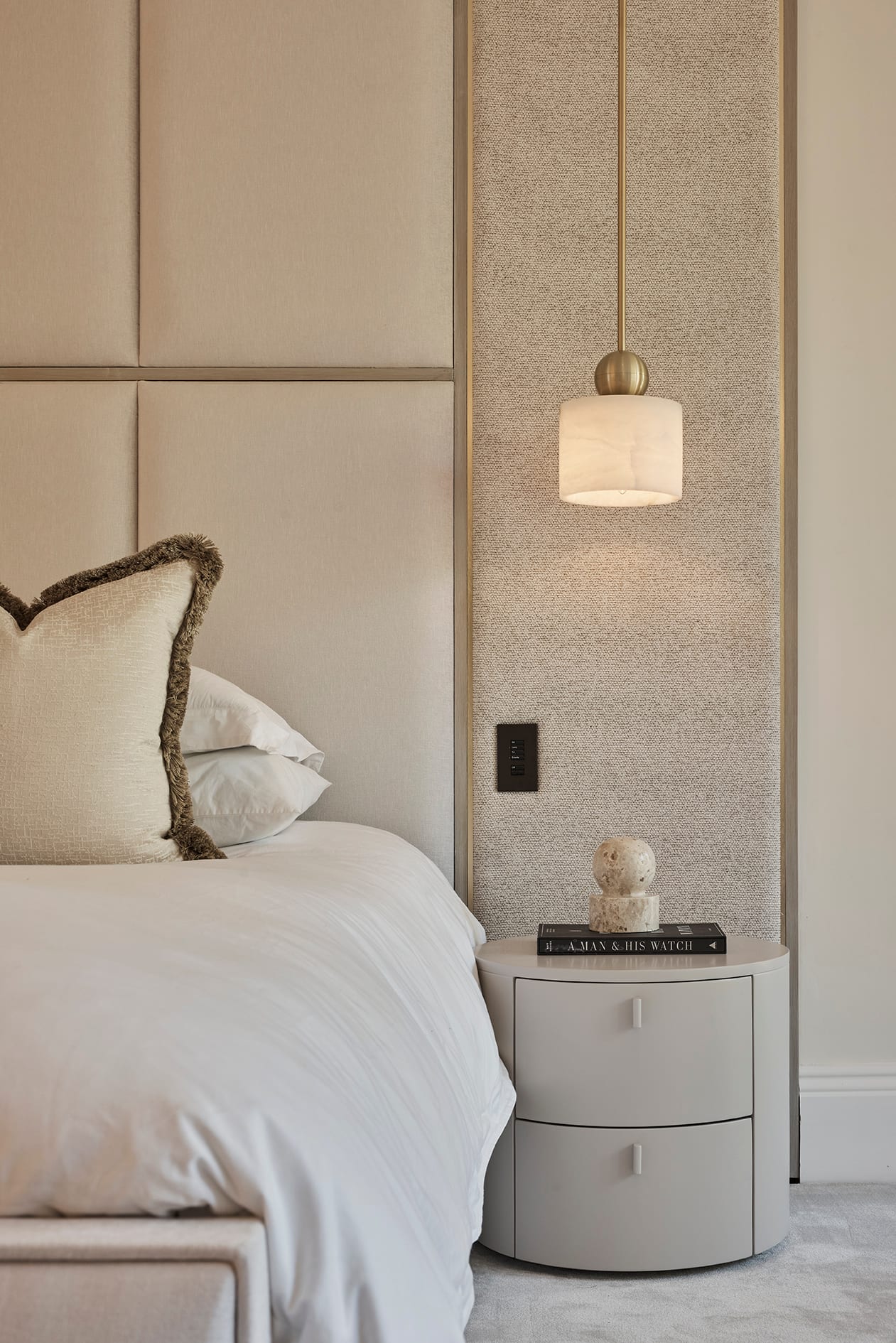
It started with textiles, and it still starts with textiles. Before I think about a colour, I'm thinking about what a material does. How a linen falls compared to a velvet. Why a heavy wool holds a pleat and a silk won't. How a bouclé changes completely depending on whether the light is coming from the side or straight on.
That's exactly why we never choose fabric from a screen. Samples come into the actual room, we look at them at ten in the morning and again at nine at night, and we hang a length of curtain fabric rather than holding up a square. A dress that's beautiful on the hanger and wrong on the body is the same problem as a sofa fabric that looked lovely in the showroom and dead in your living room. Fashion teaches you to trust the hand and the drape, not the picture.
It's all proportion
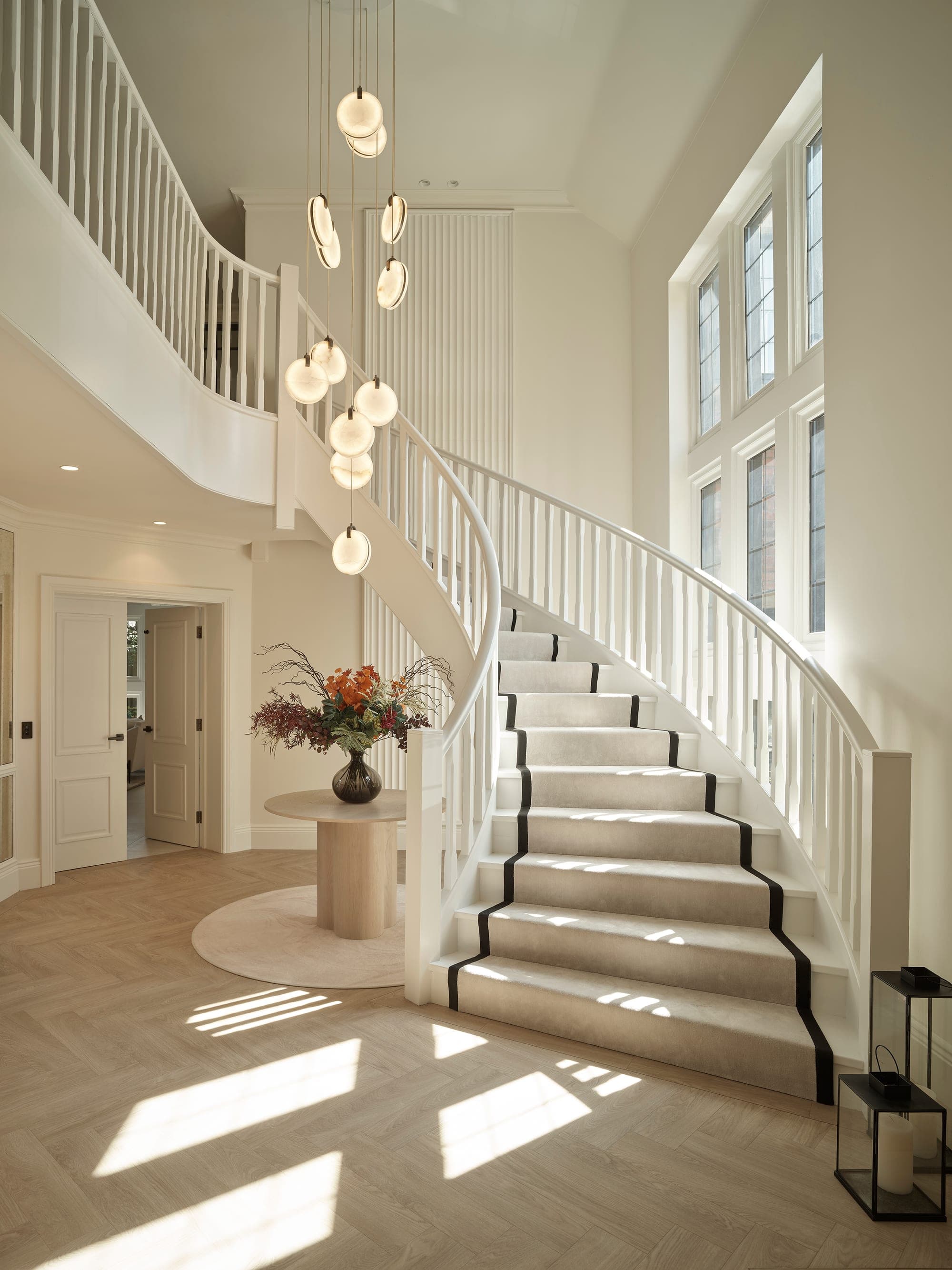
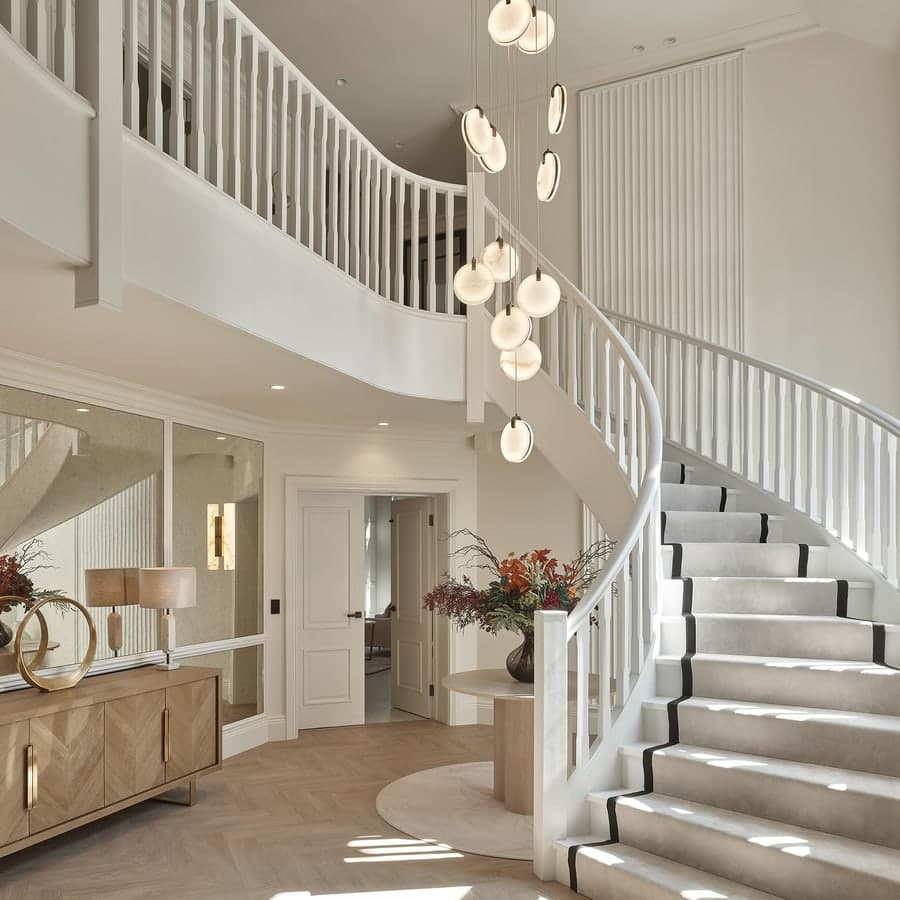
An outfit works or doesn't work on proportion long before anyone notices the colour. Where the waist sits, how long the jacket is against the trouser, whether the whole silhouette balances. Rooms are identical. The rug that's too small, the pendant that's too dainty for a double-height hall, the art hung too high, the coffee table lost in front of a big sofa. None of those are colour mistakes. They're proportion mistakes, and they're the ones people feel without being able to name.
So a lot of what we do is quietly resizing. Bigger rugs, larger lamps, fewer and more generous pieces. It's the same instinct as choosing one well-cut coat over three that nearly fit.
The rug that's too small and the jacket that's too short are the same mistake. Nobody can name it, but everyone can feel it.
One great piece lifts everything
Every stylist knows this. You don't need an outfit of extraordinary things, you need one, and the rest should be calm enough to let it sing. A vintage jacket over something simple. A proper piece of jewellery with a plain shirt.
In a home, that's the antique mirror in a pared-back hall, the one vintage chair in a room of quiet upholstery, the old chest that's been somewhere before. My own taste has always been traditional mixed with modern, and this is why: the old piece gives the new room its soul, and the calm room gives the old piece room to be seen. Do it everywhere and it becomes fancy dress. Do it once or twice in a room and it feels collected.
Trends are for noticing, not following
Working around a fashion magazine, you watch trends arrive, peak and disappear on a cycle that's faster than most people realise. It cures you of chasing them. What you notice instead is what survives: good cut, good cloth, things that fit the person wearing them.
I still read the interior trends every year, and I enjoy them. But the ones I bring into a client's home are the ones that suit the house and the people in it, and I'll happily leave the rest. A home is something you'll live in for a decade. It shouldn't date like last season's shoes.
The finishing is half the job
In fashion nobody thinks the work stops when the clothes are on. The styling, the way a sleeve is pushed, the one accessory, is what turns clothes into a look. Homes are exactly the same, and it's the part most people run out of energy for. The furniture arrives, the walls are painted, and the house is technically finished, and yet it doesn't feel finished.
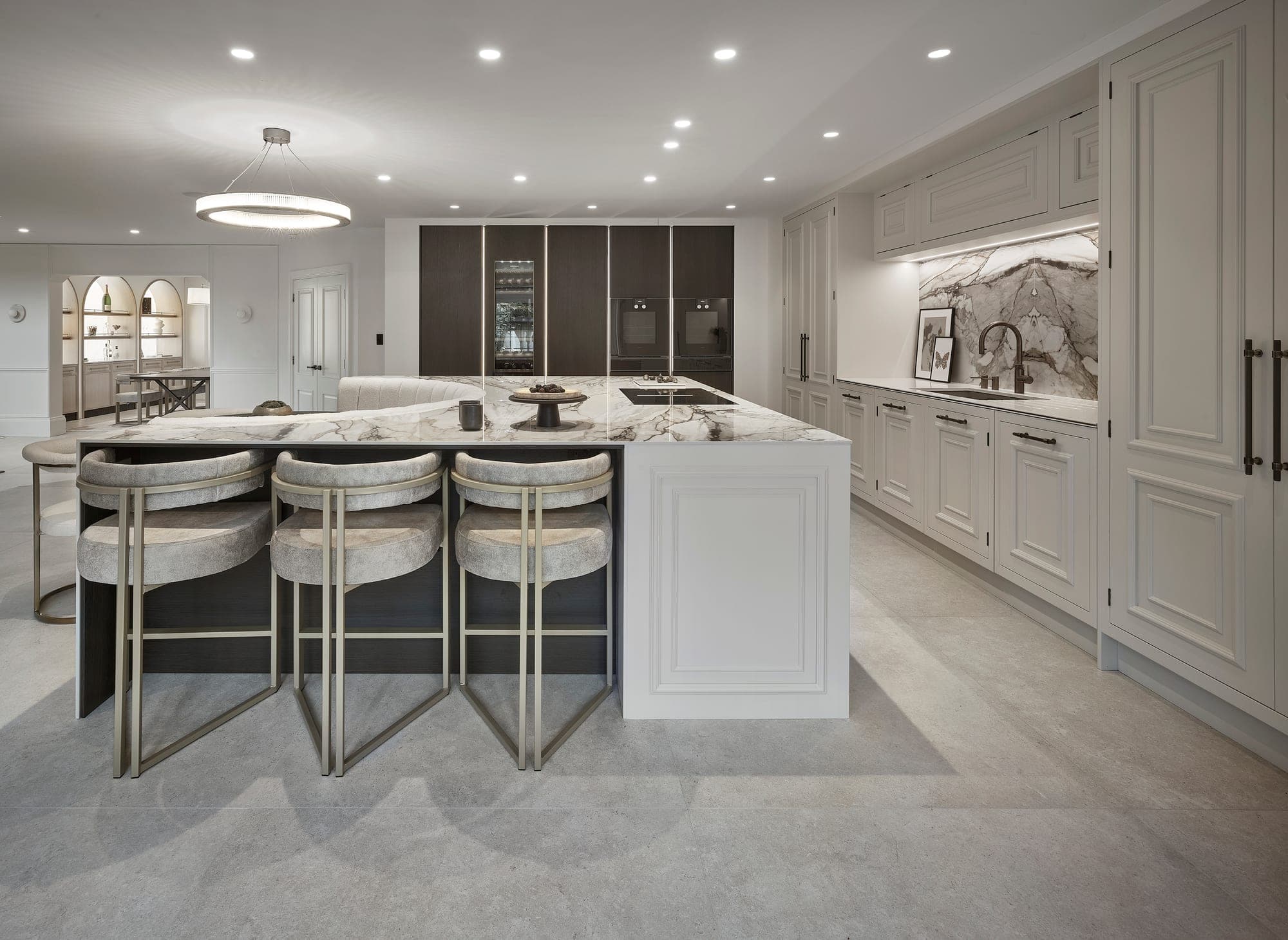
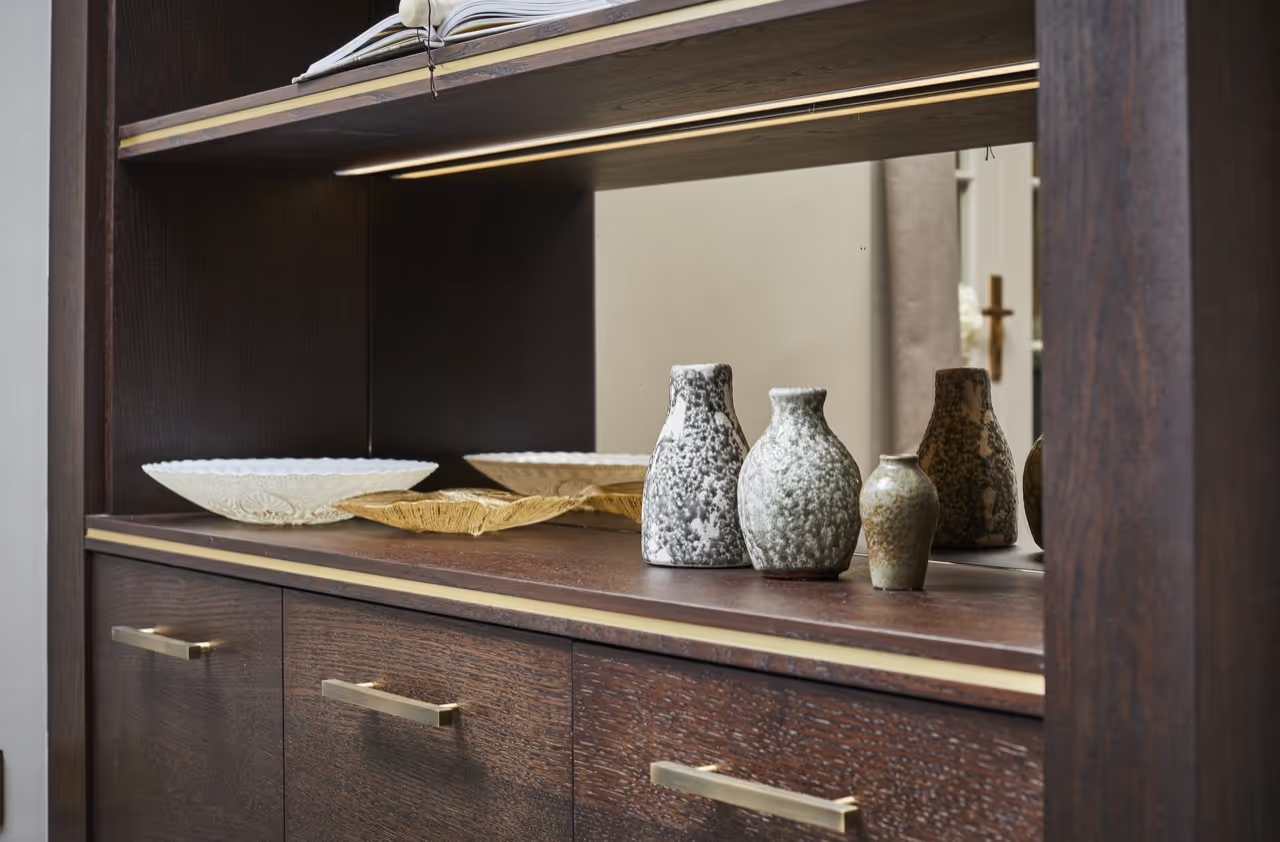
That last ten percent is the styling layer: the lamps, the books, the throw, the way the cushions sit, what's on the console. It's the difference between a room that's been furnished and a room that's been dressed, and it's my favourite day of any project.
Decide how you want to feel
The best outfit isn't the most expensive one. It's the one that makes you feel most like yourself, and you know within seconds of putting it on. That's the thing I brought with me from fashion more than anything else.
It's why the first proper question I ask a new client is never about what they want the house to look like. It's how they want to feel when they walk through the door on a wet Tuesday in November. Calm? Cosy? Bright and energised? Once we know that, the palette, the fabrics, the lighting and the layout all have something to answer to, and the house stops being a set of choices and starts being theirs.
So no, fashion and interiors were never two different worlds for me. One taught me how to see, and the other gave me somewhere to put it.
If any of that rings true and you'd like a home that feels like you rather than a showroom, get in touch. I'd love to hear how you want to feel.