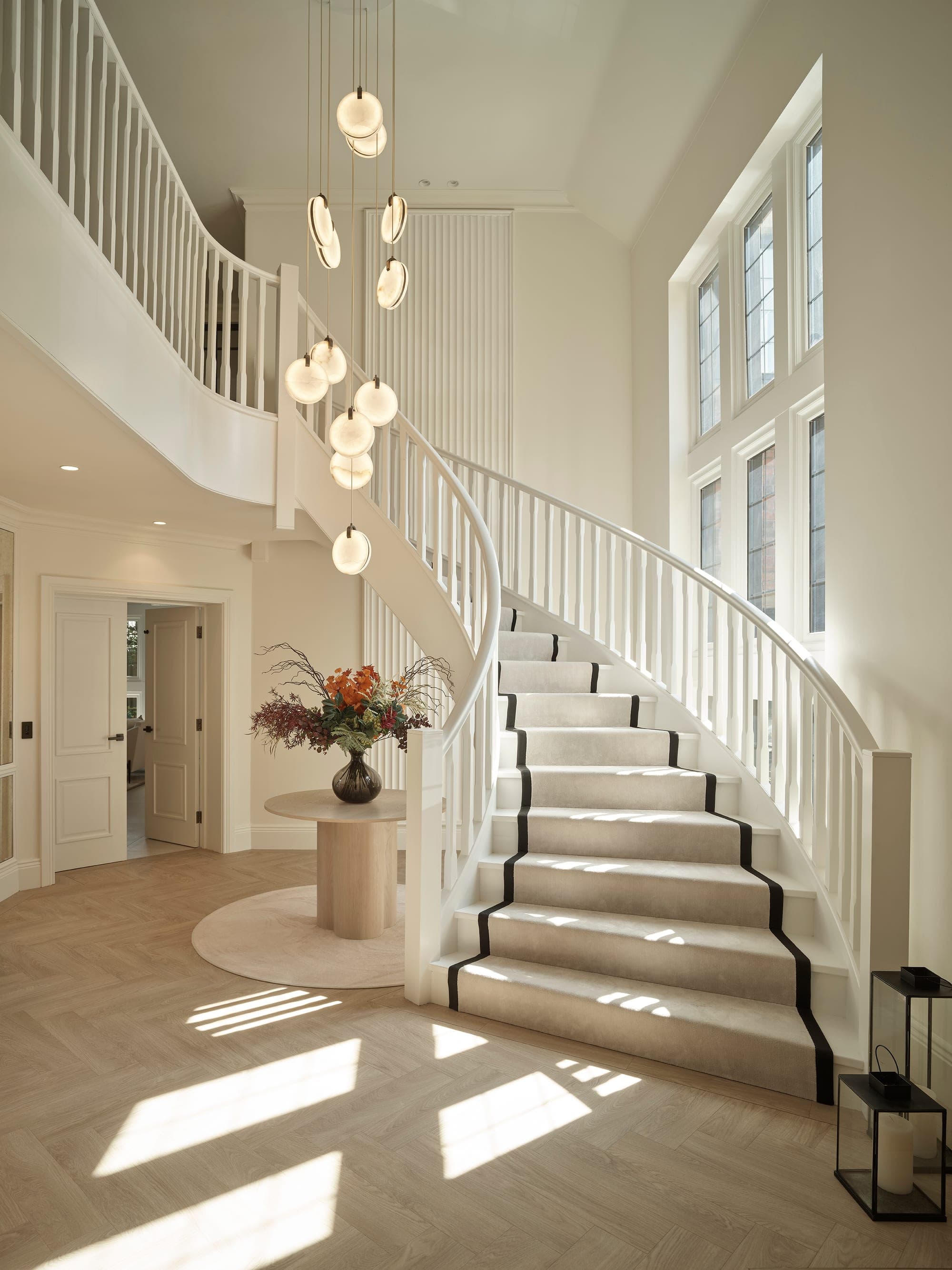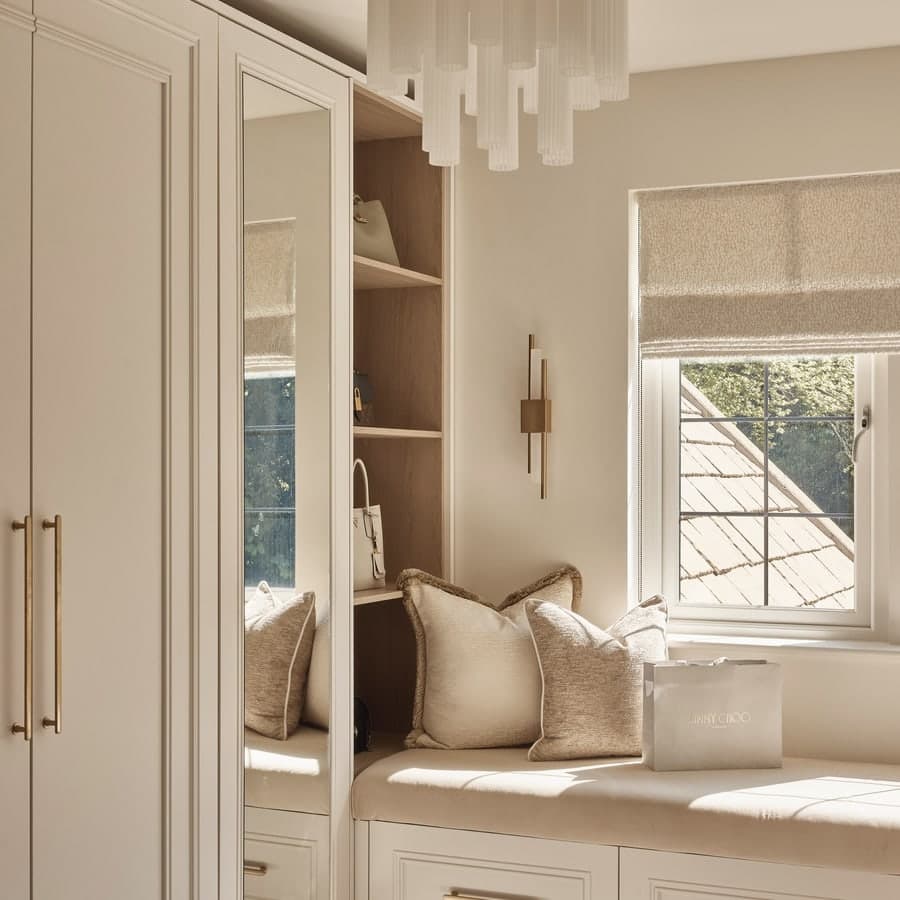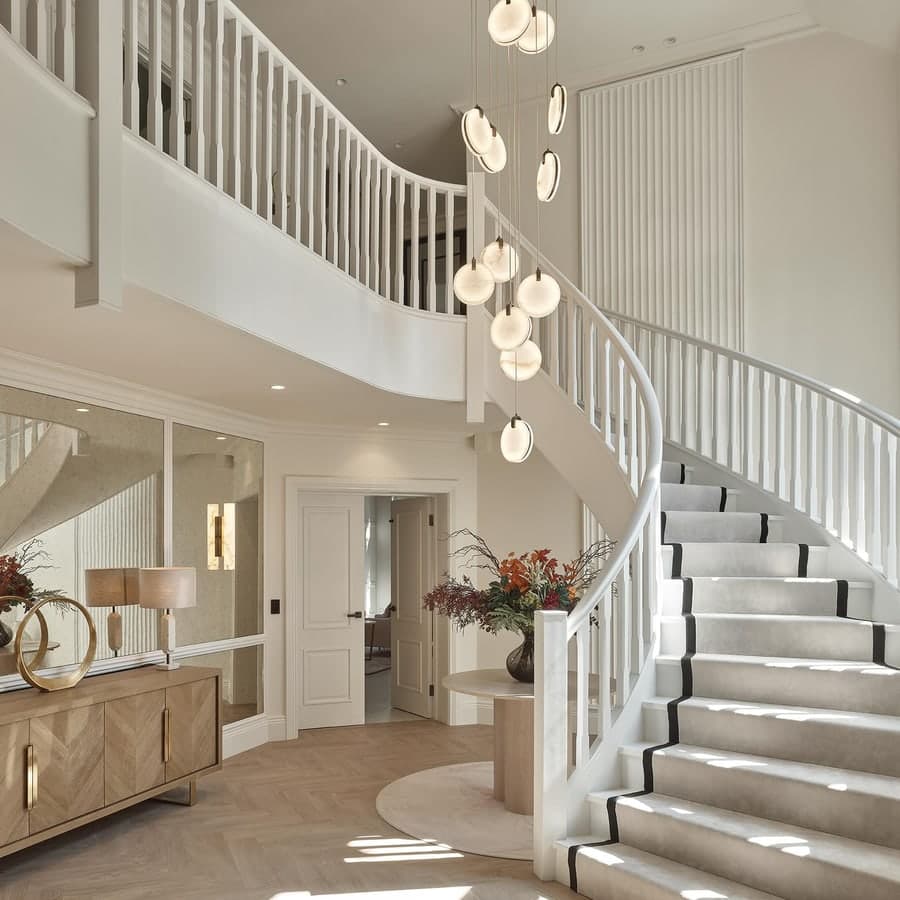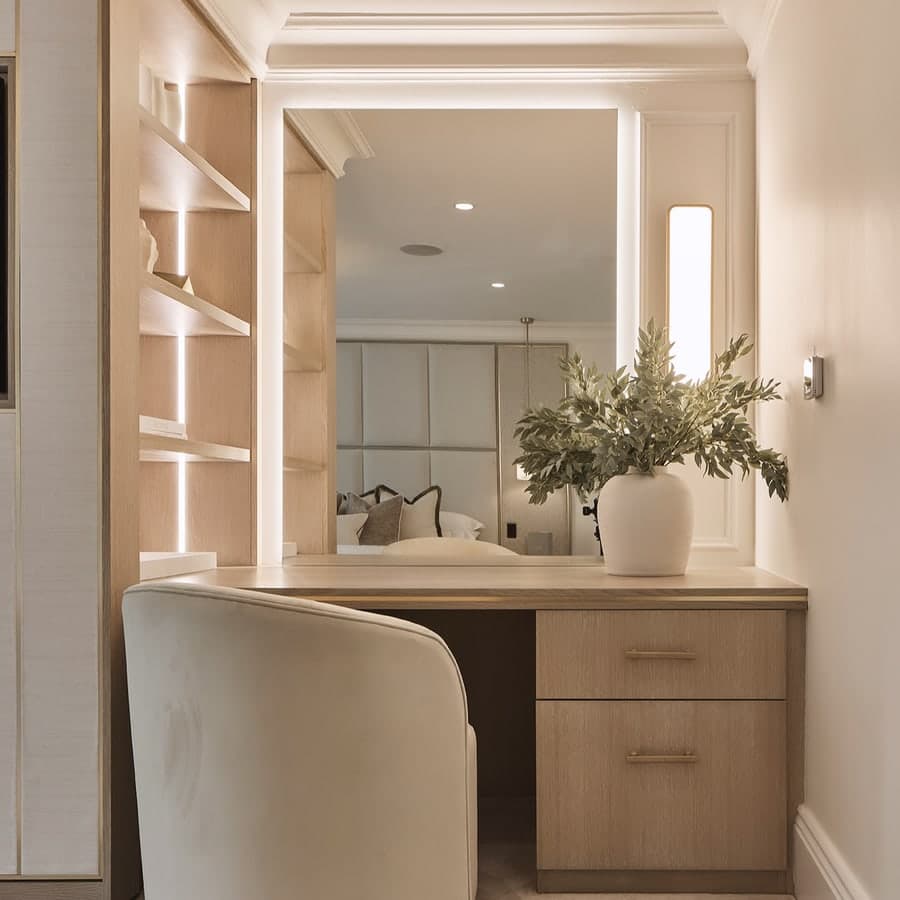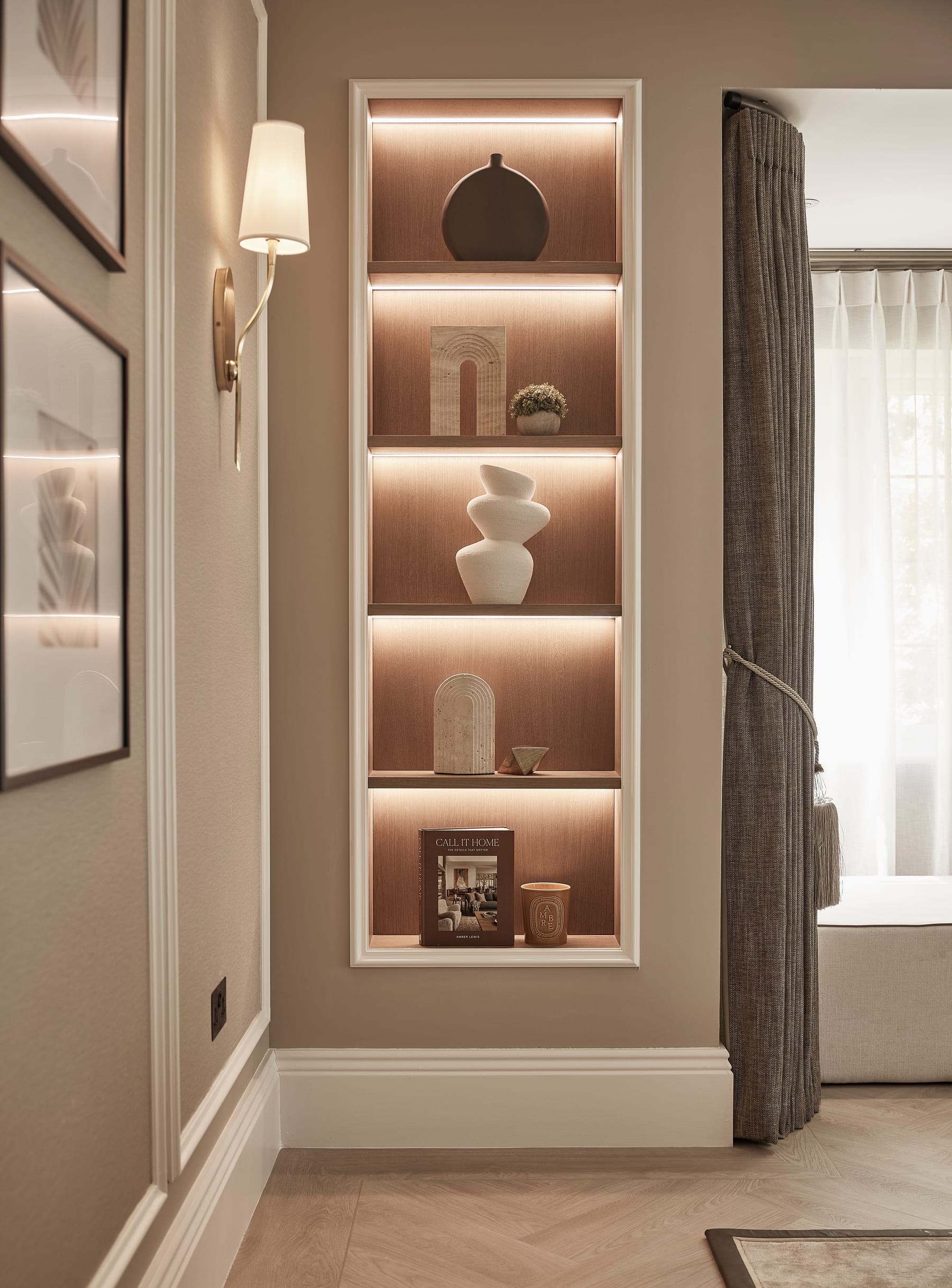

If I could give one piece of advice that would improve almost every home overnight, it would be this: stop thinking about lighting last. It's the thing that makes the biggest difference to how a room feels, and it's the thing people plan the least. Get it right and even a simple room feels warm, layered and expensive. Get it wrong and the most beautiful scheme in the world will fall flat the moment the sun goes down.
Stop relying on the "big light"
Most homes are lit by a single pendant or a grid of downlights in the middle of the ceiling, switched on and off as one. It's how houses are wired, and it's the reason so many rooms feel flat and clinical in the evening. One light doing all the work can only ever flood a room at a single, even intensity, which is the opposite of cosy. The fix isn't one better light. It's more lights, each doing a different job.
Light in three layers
Every well-lit room uses three layers working together:
- Ambient, the soft, general glow that fills the room (and almost never the central pendant alone).
- Task, light where you actually need to see: beside a reading chair, over a worktop, at a dressing table.
- Accent, the lighting that adds atmosphere and draws the eye: a lit alcove, a picture light, a wall washed gently with warmth.
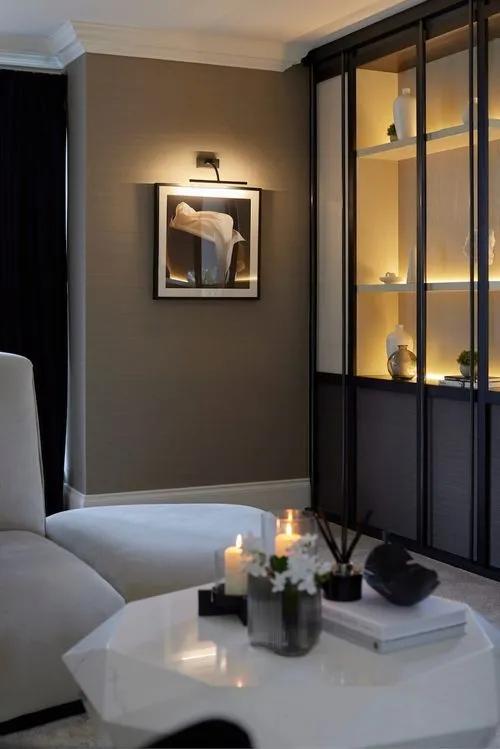
When you layer all three, a room gains depth and mood. You can light it brightly and practically in the morning, then drop to something intimate and golden at night, all in the same space.
A well-lit room isn't about one perfect light. It's about layers, each doing a different job.
Put everything on dimmers
This is the cheapest, highest-impact change on the whole list. A room that can only go from "off" to "full brightness" has one mood. The same room on dimmers has a dozen. I'd put almost every light in a home on a dimmer, ideally grouped onto circuits, so a single press takes a room from bright and useful to soft and welcoming.
Get the colour temperature right
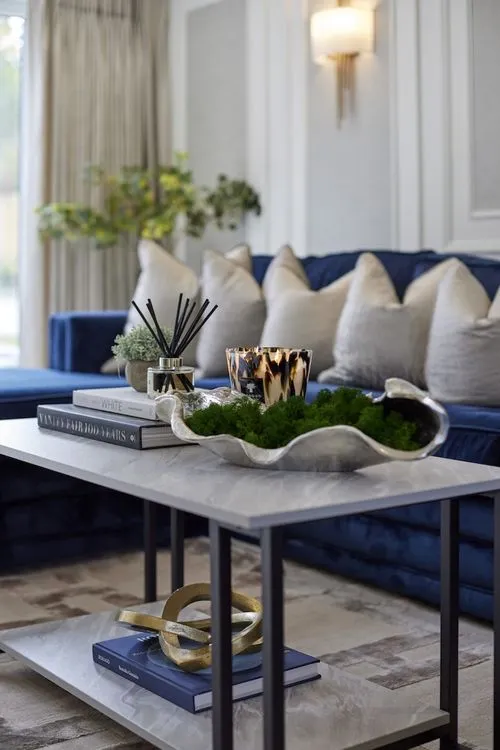
So many lovely rooms are spoiled by cold, blueish bulbs that make a home feel like an office. Warm light (around 2700 kelvin) is what makes a space feel inviting and flattering. It's worth checking every bulb in your home is the same warm tone, because mismatched colour temperatures are one of those things you can't unsee once you've spotted them.
Use lamps to create pools of light
A pair of table lamps on a console, a floor lamp beside an armchair, a small lamp on a kitchen worktop, these are what give a room that layered, lived-in glow. Pools of warm light at different heights are infinitely more atmospheric than one bright source from above. When I design a scheme, I'm always thinking about how a room will feel at nine o'clock at night, and lamps are how you get there.
Light the architecture, not just the room
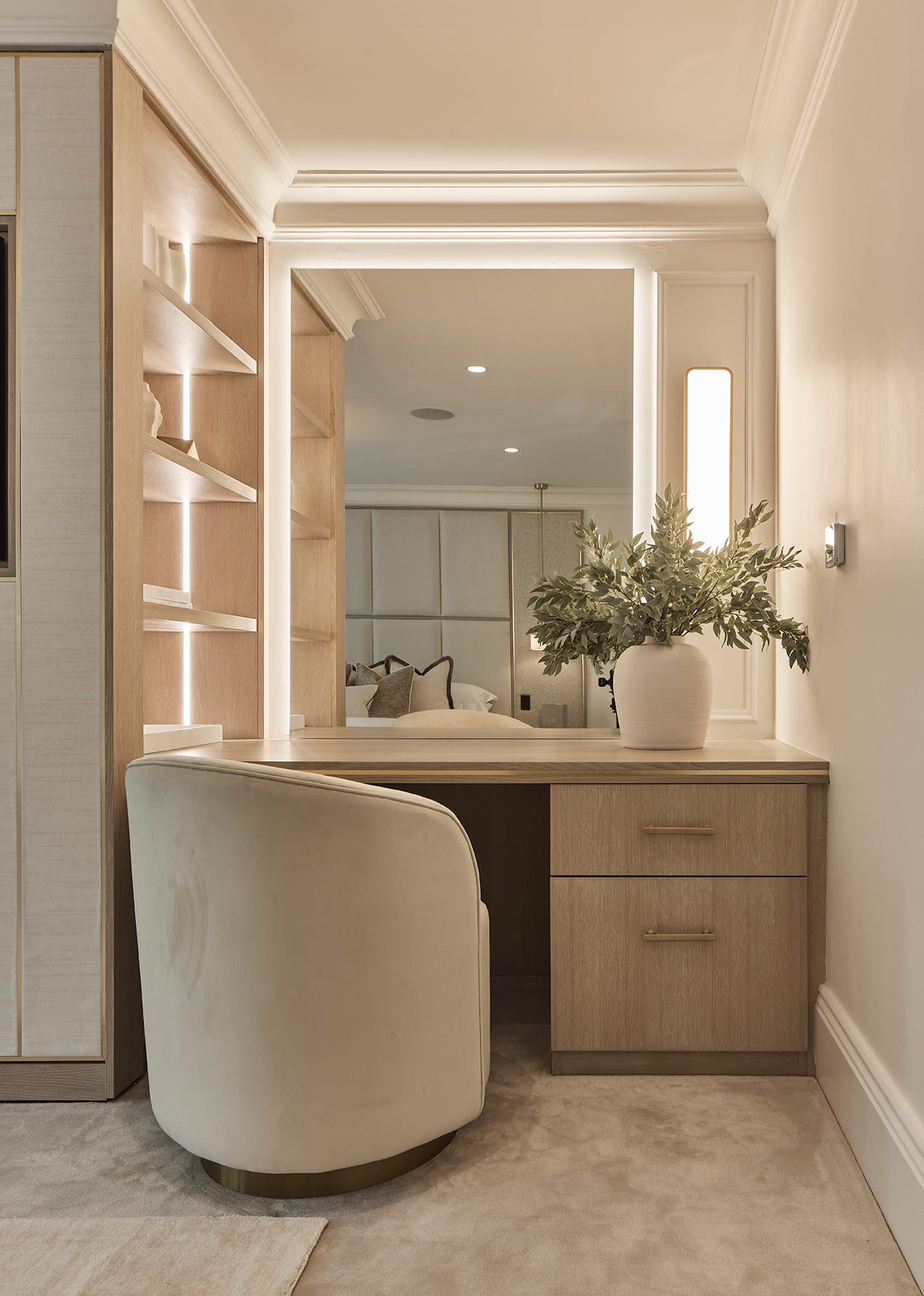
The most considered lighting is the kind you don't really notice: a backlit mirror, a softly lit run of shelving, an alcove that glows from within, light tucked into bespoke joinery. It turns ordinary features into quiet focal points and adds a layer of warmth that freestanding lamps can't. This is where a designed home really pulls ahead of a decorated one.
Plan it early
Here's the catch: the best lighting is designed in before the electrician's first fix, when wiring, circuits and positions can still change freely. Once the plaster's on, your options narrow and adding a circuit or moving a light gets expensive. If you're renovating or building, lighting is one of the very first things to think about, not one of the last.
If your home looks lovely by day but falls a little flat at night, lighting is almost always the reason, and it's one of the most rewarding things to put right. If you'd like help designing a scheme that works from morning to midnight, get in touch, I'd love to hear about your home.